Sustainable Solutions: How E-Waste Recycling Services Are Saving Our Planet
E-waste poses significant threats to the environment, as abandoned electronic devices commonly carry harmful materials. Such dangerous compounds can pollute soil and water supplies, causing extensive damage to surrounding ecosystems. Electronic waste recycling programs offer an effective remedy. They successfully retrieve useful resources while simultaneously minimizing environmental pollution. Understanding how these services operate and their impact on communities is essential. Pursuing efficient e-waste management brings forth pressing questions regarding individual duties and shared responsibility. What steps can be taken next?
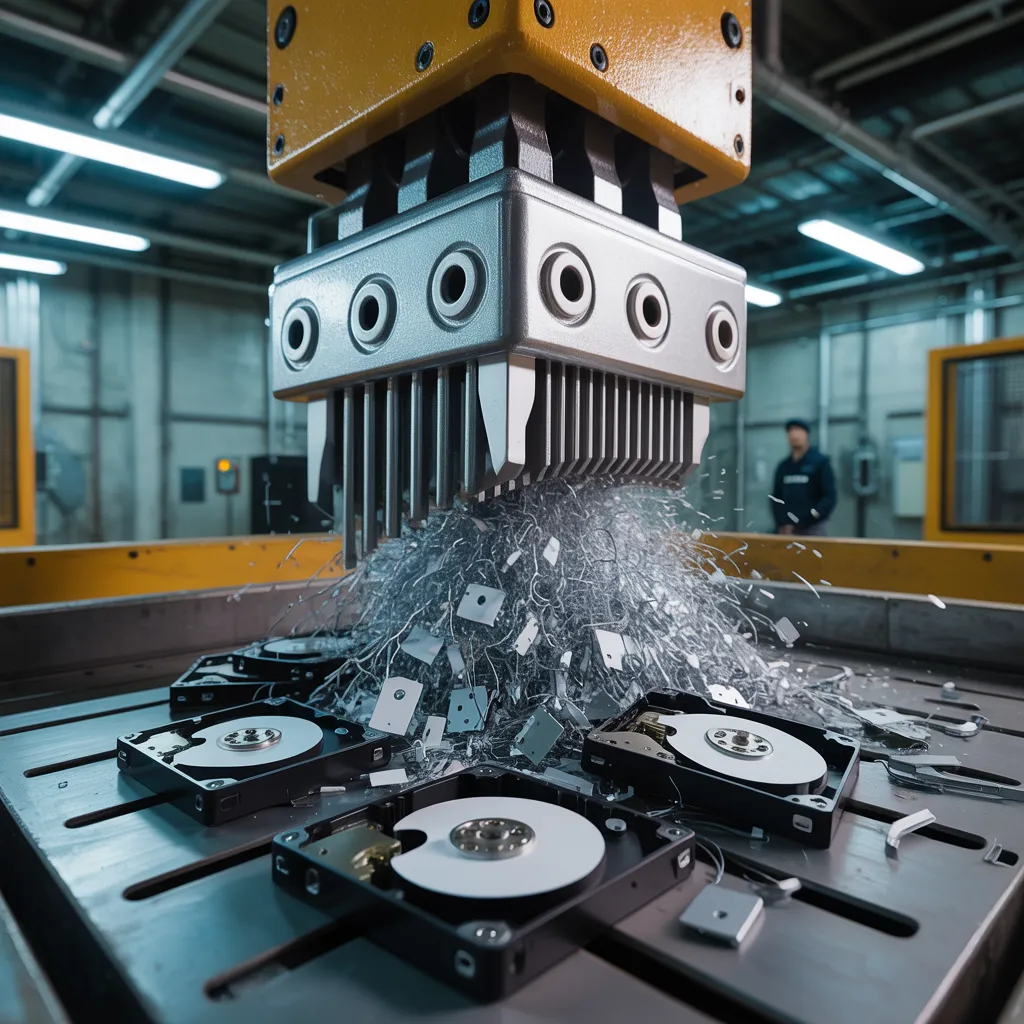
Why E-Waste Poses a Threat to the Planet
Although technology enriches modern life, electronic waste presents significant environmental threats. Abandoned electronic gadgets, commonly laden with hazardous materials such as lead, mercury, and cadmium, can leach toxins into groundwater and soil, creating hazards for both wildlife and human well-being. The accelerating rate of technological innovation results in increased consumer turnover of electronics, worsening the buildup of discarded electronic materials.
Landfills, already strained by waste, are unable to keep up with the rising quantities of abandoned electronics. Incineration, a common waste management technique, emits dangerous pollutants into the environment, degrading atmospheric conditions. In addition, improper recycling practices can lead to the exportation of e-waste to developing countries, where laborers may dismantle devices without adequate safety measures, exposing themselves to dangerous substances. This ongoing cycle of carelessness and inadequate management emphasizes the pressing necessity for responsible recycling initiatives that can lessen the harmful consequences of e-waste on our world.
What Is E-Waste and Why Does It Matter?
E-waste, or electronic waste, includes obsolete electronic products like smartphones, computers, and televisions that are no longer functional or needed. This growing category of waste is significant owing to its accelerating volume, driven by technological advancements and consumer trends. As more devices become obsolete, the environmental impact intensifies, with harmful substances like lead, mercury, and cadmium posing risks to ecosystems and human health.
Addressing e-waste is crucial not only for reducing these dangers but also for acknowledging the precious materials found within it. Precious metals and rare earth elements can be recovered and reused, reducing the need for mining and conserving natural resources. By understanding e-waste and its implications, individuals and organizations can make informed decisions about disposal and recycling, ultimately contributing to a more sustainable future. Responsible management of e-waste plays a key role in supporting a circular economy and championing environmental stewardship.
How the E-Waste Recycling Process Works
Recycling e-waste involves a systematic process designed to recover valuable materials while minimizing environmental impact. At the outset, discarded electronics are retrieved and sent to purpose-built recycling plants. Once there, the devices undergo thorough sorting to distinguish harmful elements from reusable resources.
Next, technicians break down the products, recovering metals, plastics, and glass. This stage is crucial, as it allows for the recovery of high-value metals like copper, gold, and silver, which are repurposed in new electronic devices.
Next, the separated materials are treated through cutting-edge techniques, such as shredding and chemical treatments, to refine them for recycling.
Finally, the leftover hazardous waste is handled with responsibility, adhering to environmental regulations. This multi-step approach not only saves important resources but also reduces the dangers connected to improper e-waste disposal, ensuring a more sustainable future for electronic consumption.
Benefits of E-Waste Recycling for You and Your Community
Although it often goes unnoticed, the positive effects of e-waste recycling extend beyond personal convenience to positively impact entire communities. By carefully processing electronic waste, individuals play a role in creating a healthier environment, reducing harmful substances that can seep into soil and water. This responsible method helps preserve local ecosystems and promotes public health.
Furthermore, e-waste recycling fosters employment opportunities within local communities. Local recycling facilities often require personnel for numerous tasks, spanning collection through processing, thus generating valuable job opportunities to area workers. This not only stimulates the local economy but also fosters community involvement in eco-friendly practices.
In addition, knowledge about e-waste recycling is capable of inspiring educational initiatives, empowering residents to embrace sustainable practices. By engaging with e-waste recycling programs, individuals cultivate a culture of sustainability, prompting others to join the movement. Ultimately, the shared impact of these actions can contribute to a more sustainable and conscientious community.
How to Choose an E-Waste Recycling Service
Picking the best electronic waste recycling provider is vital for ensuring that electronic waste is handled in a responsible and sustainable manner. First, individuals should check the service's accreditations, such as R2 or e-Stewards, which signify conformance to industry standards for secure waste disposal procedures. Additionally, it is advisable to examine the provider's standing by checking reviews and looking for advice from dependable sources.
Moreover, openness in the recycling process is crucial. A trustworthy provider should provide clear information about how e-waste is processed and how the materials are utilized. Furthermore, evaluating the range of services offered can be beneficial; various firms may supply retrieval services or extend benefits for recycling.
Finally, understanding local guidelines related to e-waste disposal can help inform the decision-making process. By taking these elements into account, individuals can contribute to effective e-waste management as well as promoting eco-friendly habits.
How You Can Get Involved in E-Waste Recycling?
Getting involved with e-waste recycling may begin at the local level, where recycling centers frequently offer essential services for safe disposal. Furthermore, taking part in community awareness campaigns can enhance efforts to educate others about the importance of responsible e-waste management. Such efforts not only encourage sustainable practices but also build a collective sense of accountability for the environment.
Area Recycling Stations
Several community recycling facilities fulfill a critical purpose in recycling electronic waste, providing communities with accessible options to dispose of electronic waste responsibly. These hubs welcome a selection of electronic items, including aging computers, cell phones, and television sets, ensuring that harmful materials are handled safely. Most stations have trained staff who help individuals navigate appropriate disposal procedures, emphasizing the importance of recycling over landfilling. Additionally, various hubs coordinate planned drop-off gatherings or set collection days, allowing residents to take part with ease. By taking advantage of these neighborhood resources, View all individuals contribute to a circular economy, reducing environmental impact and promoting sustainable practices. Partnering with these facilities encourages communities to fight e-waste pollution decisively.
Community Education Campaigns
Local organizations, schools, and businesses can work together to organize events that support e-waste collection drives. Dedicated participants can take a leading part in raising awareness, sharing informational resources, and connecting with local residents. Through these collective efforts, community members grow more knowledgeable and inspired to dispose of their electronics responsibly, thus playing a meaningful role in creating a more environmentally responsible future.
Common Questions and Answers
Which Types of Electronics Are Recyclable?
Numerous electronics are able to be recycled, including smartphones, computers, laptops, televisions, printers, and gaming consoles. Moreover, ancillary devices such as mice, keyboards, and batteries are well-suited for recycling, supporting eco-friendly conservation initiatives.
Do Any Costs Come With E-Waste Recycling?
Yes, e-waste recycling sometimes comes with fees, depending on the service provider. Some facilities apply costs for collection or processing, while others provide no-cost solutions, often subsidized by the sale of reclaimed components.
How Can Businesses Benefit From E-Waste Recycling?
Companies can take advantage of e-waste recycling by lowering disposal expenses, enhancing their environmental image, adhering to regulatory requirements, extracting valuable resources, and creating potential earnings via resale, thus supporting a greener and more sustainable operational framework.
What Becomes of Data on Recycled Devices?
Data from recycled electronics is commonly permanently erased or obliterated throughout the recycling process. This guarantees sensitive information stays protected, preventing unauthorized access while enabling components to be reused carefully and ethically across new manufacturing processes.
Is It Possible to Recycle Damaged Electronics?
Yes, defective electronics can be recycled. Several collection points receive non-functioning devices, providing proper disposal and retrieval of recoverable materials. This helps decrease the environmental footprint while fostering responsible recycling practices to manage electronic waste properly.